
In Space, nobody can hear you not have enough spare time to run a great looking game
Continue reading “Mothership RPG”Where Imagination Takes You
In Space, nobody can hear you not have enough spare time to run a great looking game
Continue reading “Mothership RPG”Much ink could be spilled, and has been, discussing the dichotomy between the Apollonian and Dionysian impulses.
Or you could watch this.
I’ve been roleplaying since shortly before the great flood and come across a lot of RPG systems that handle task resolution in many and varied ways. One of the big ones is always the combat system – even in rules-lite games the combat system is (usually but not always) more complex than the rest of the game system with more granular options. There are of course exceptions and some games go for the universal mechanical approach that treats combat scenes just like any other scene.
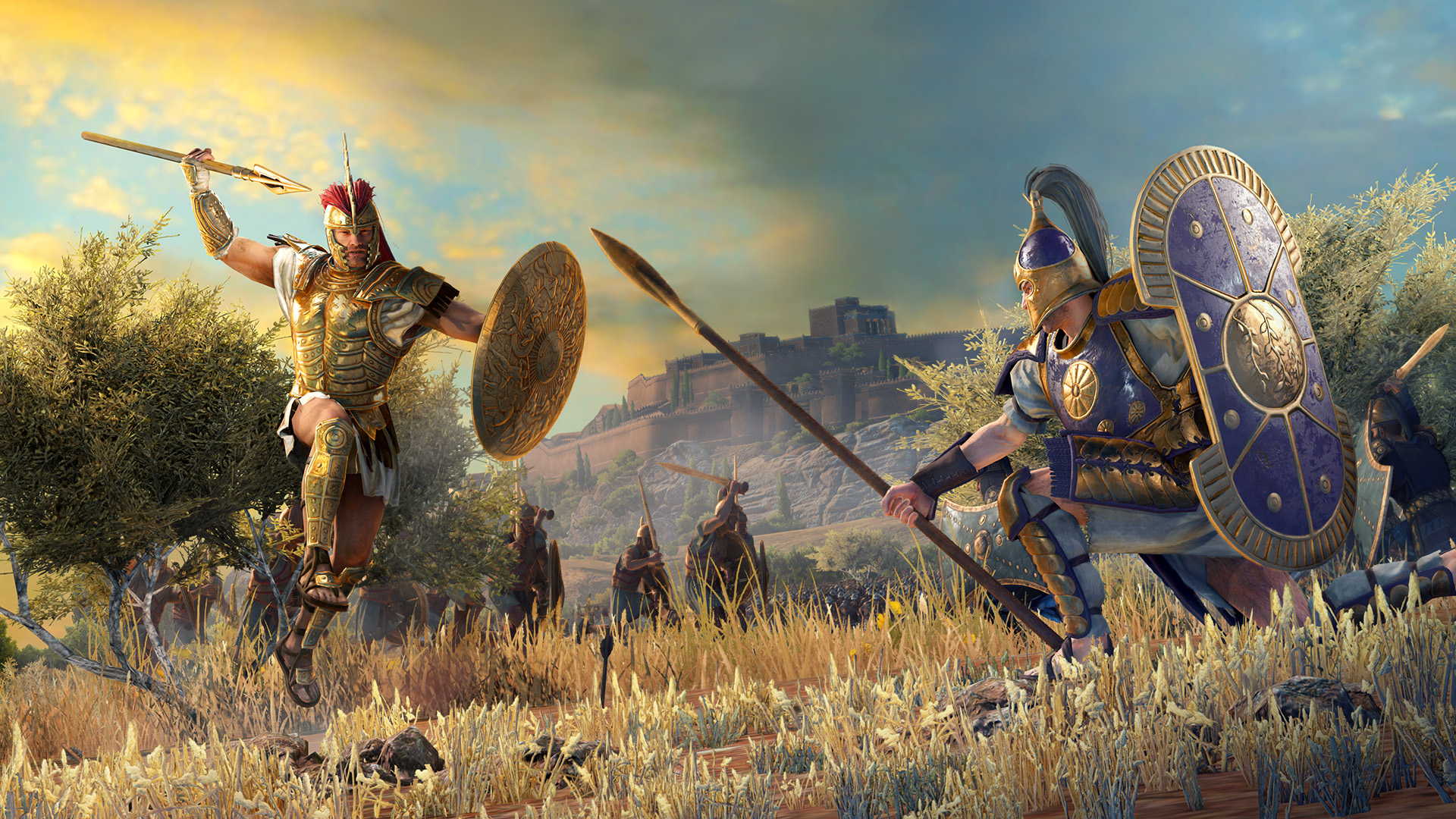
The normal approach I think grew out of D&D’s roots inside the wargaming hobby and though the RPG scene (including D&D) grew quickly past the simple recreation of fantasy skirmishes there has been a big focus on the combat scene as the core activity of many role playing game sessions.
Personally I’ve never been a big fan of combat for its own sake. Even when I play Fighty McFighter type characters I don’t want the game session to be taken up with lengthy combat encounters in which there is little scope for roleplaying other than pithy one liners and then the wait for the chance to roll a dice comes round again. I have fun doing it of course, with a decent GM and a group of friends taking part it can make a great night, but my advancing chronological existence and demands on my time mean my game sessions tend to be limited to 2-3 hour blocks and I don’t want the bulk of that to be taken up with rolling dice to see how quickly an abstract count of enemy resources can be reduced to zero. Combat in fantasy fiction is exciting (or should be) and is more about the emotions and characters of the participants than it is about describing the endless back and forth of blows, parries, minor wounds etc (or in the case of Runequest, major wounds and the loss of limbs)
What I’m leading up to with this musing are some thoughts I’ve had about what elements make a combat encounter interesting. There are lots of factors of course including a memorable area in which it takes place, with environmental effects, fascinating characters as opponents and allies, and of course appropriate stakes.
In addition to these though there need to be meaningful choices within the scene itself other than simply “Run at each other repeatedly and roll dice till one of us falls over” – and as a starting point I’ve come up with the following breakdown which I’ll try to apply when I’m planning scenes in which combat may occur:
If the PCs heavily outmatch the opponents
If the PCs are heavily outmatched by opponents
IF the PCs are of equivalent power to opponents
These are just the skeletons of ideas so far. I’ll flesh them out as I go and post about what happens.
Finn’s first novel A Step Beyond Context is available on Amazon.co.uk and Amazon.com and a few others as well. It’s a punchy genre-busting mystery with a heroine who is a Regency lady, a high tech mercenary and much more.
He was a strange figure, a dull lumpish creature that the locals knew only as Trog. Whether that was the name his parents gave him or simply an unpleasant title dreamed up by the people around him nobody knew. It was the name he called himself though and his unfortunate neighbours would often hear him lumbering around in the darkness of the night calling out obscenities and invoking his own name as if he considered himself some unseen tormentor or deity in his own life.
Continue reading “HS1098”Alma Deutscher is now fourteen years old. She’s already been somewhat of a sensation for her musical talents and they show no signs of abating. In this new piece she takes inspiration from the discordant sounds of city life, including traffic noises, sirens and general cacophony and creates a series of waltzes. In the opening segment she takes a cheeky poke at the critics who have accused her previous work (as a twelve year old…) of lacking the currently fashionable dissonance and being too melodic.
It’s an amazing piece, and the way she has written the orchestral piece to mimic, initially, the sounds of city life is incredible
Finn’s first novel A Step Beyond Context is available on Amazon.co.uk and Amazon.com and a few others as well. It’s a punchy genre-busting mystery with a heroine who is a Regency lady, a high tech mercenary and much more.
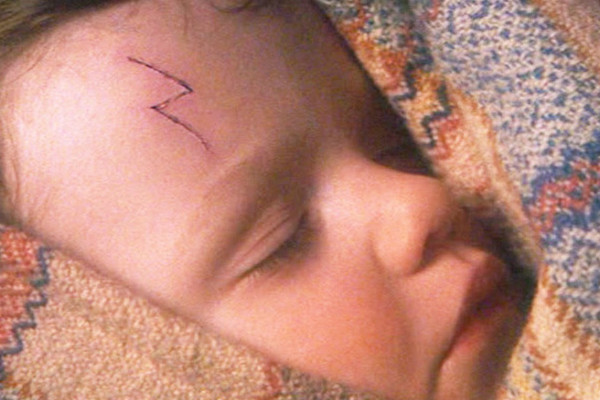
We all know about lightning. That sudden searing flash of light and heat, an instant release of energy that thrills the onlooker in its immediate and glorious destructive display, so quickly over with it needs an accompaniment of drum-roll thunder to keep the audience alert for its reappearance. It’s magnificent at a distance, terrifying when closer. The mechanism of lightning is the sudden equalisation of differently charged points. Once the difference is sufficient enough to be unbearable for nature to maintain, the lightning appears drawing an incandescent equals sign vertically in the air.
Continue reading “Accio World”
 Otherworlds