I quite like the word “ruminations” and I was hoping to find some pun on “roomy nations” but so far no luck. I will just let it stand. Anywhere, here’s a post where I mull over why I designed Blaydon Grange the way I did.
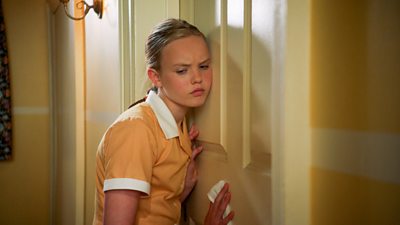
Blaydon Grange is a roleplaying game about drama and mystery in a post-war British boarding school. It sits in the space shaped by girls’ school stories from Enid Blyton, Pamela Cox, Anne Digby, and others, and by games like Apocalypse World and Masks that showed me how strongly rules can reinforce genre (Masks: A New Generation in particular – I have GMed Superhero games since the 80s, starting with Champions, but nothing has felt so much like the source material as when I ran a short Masks campaign a few years ago).
Blaydon Grange is set against the backdrop of everyday school life, but overlaid with the small adventures that grow out of it. Missing objects, secret passages, midnight expeditions, rumours that refuse to stay quiet. The stakes are personal rather than epic, but they feel large when you are the one living with them. Is it worth exposing a thief if it costs you your best friend? Do you pursue the lead about the mysterious note if you will miss your only chance at the Lacrosse captaincy?
I was not interested in modelling a school exhaustively or as a simulation. I wanted a system that stayed out of the way and only stepped in when a decision mattered. Dice are rolled when the outcome is uncertain and when it would be interesting either way. Partial success and complications matter more than clean wins, because they keep the story moving while leaving something behind. The procedures in the game exist to support that. Set pieces, oracle tables, and simple resolution are there to help generate situations and mysteries without locking anyone into a plot. Things should emerge through play rather than be uncovered in the “right” order.
Relationships sit at the centre because that is where the drama lives. Bonds are useful, but fragile. Leaning on people too hard has consequences, and that tension is intentional. In the end, Blaydon Grange is not trying to be complex, exhaustive or clever, It is trying to set the right genre tone, apply pressure in the right places and then get out of the way. One of the reasons that all my campaigns, no matter the system I start them in, morph into homebrew over the course of a few sessions is that when all is said and done I want a game system make sessions feel like the right genre and then bugger off and leave me to it.

Blaydon Grange (2nd Edition) is free (or pay what you want) and available from ITCH and DriveThruRPG
Discover more from Otherworlds
Subscribe to get the latest posts sent to your email.
 Otherworlds